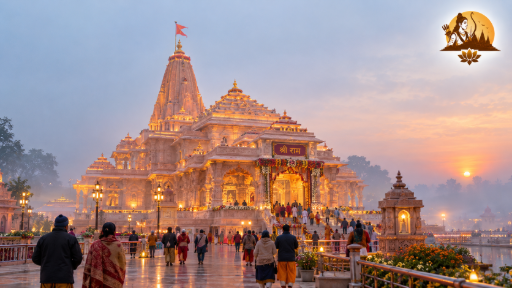
If you are planning a pilgrimage to the holy city of Ayodhya this winter, you are in for a truly magical experience. The crisp winter air, the spiritual chants echoing across the Sarayu River, and the divine presence of Ram Lalla create an atmosphere that words can barely capture. However, before you pack your bags and book your tickets, there is one crucial detail you must know: the temple schedule changes during the colder months.
In Hindu tradition, the deity is treated with the love and care of a living entity. Because Ram Lalla is worshipped in his child form, the temple administration adjusts his waking and sleeping schedule to ensure his comfort during the chilly North Indian winters.
To help you plan a seamless and spiritually fulfilling trip, I have compiled everything you need to know about the new Ayodhya Ram Mandir winter timings for 2026. This guide is optimized to give you quick, direct answers, followed by a deep dive into the complete itinerary.
What are the new winter darshan timings for Ayodhya Ram Mandir in 2026?
For the winter season, general Darshan is open in two shifts. The morning Darshan runs from 7:00 AM to 11:30 AM, and the evening Darshan takes place from 2:00 PM to 7:00 PM. The temple doors remain closed to the public between 11:30 AM and 2:00 PM for the afternoon Bhog and rest period.
How has the daily Aarti schedule changed for the winter season?
Keeping the cold weather in mind, the Shri Ram Janmbhoomi Teerth Kshetra Trust has revised the Aarti schedule. The Mangala Aarti (morning awakening) is now performed at 4:30 AM, the Shringar Aarti follows at 6:30 AM, and the final Shayan Aarti (bedtime ritual) is conducted at 9:30 PM.
Do I need a special pass for Darshan or Aarti in Ayodhya?
General Darshan is completely free and requires no pre-booking. However, if you want to attend specific Aartis (like Mangala, Shringar, or Shayan Aarti), you must obtain a free Aarti pass. These limited-seat passes must be booked in advance through the official Trust website.
Complete Guide to Ram Lalla Winter Darshan & Rituals
Understanding the schedule is the first step to ensuring you don't spend hours waiting in the cold. Let’s break down the day so you can map out your entire itinerary effectively.
The Morning vs. Evening Darshan Experience
Visiting the temple in the morning versus the evening offers two entirely different spiritual flavors.
Morning Darshan (7:00 AM – 11:30 AM): The early hours are perfect if you want a serene, fresh start to your day. The winter mist enveloping the magnificent sandstone architecture of the Ram Mandir is a sight to behold. Weekday mornings (especially between 7:00 AM and 9:00 AM) generally see lighter crowds, giving you a few extra seconds of uninterrupted Darshan.
Evening Darshan (2:00 PM – 7:00 PM): The evening Darshan is vibrant and energetic. As the sun sets and the temple lights up, the aura shifts. It is highly recommended to combine your evening Darshan with a visit to Ram Ki Paidi to witness the spectacular Sarayu River Aarti afterwards.
Detailed Aarti Timings (Effective Winter 2026)
Witnessing an Aarti inside the sanctum sanctorum is a deeply moving experience. Here is the revised 2026 winter schedule for the daily rituals:
Mangala Aarti (4:30 AM): This is the very first Aarti of the day, aimed at waking up Ram Lalla. It is highly sought after but requires an advance pass.
Shringar Aarti (6:30 AM): The deity is beautifully dressed and adorned with jewels.
Bhog Aarti (12:00 Noon): This midday Aarti is strictly private. The temple doors are closed to general devotees during this time.
Sandhya Aarti (7:00 PM): The grand evening Aarti. While general devotees outside the sanctum can hear the chants, getting inside requires coordination.
Shayan Aarti (9:30 PM): The final Aarti before Ram Lalla is put to sleep for the night. This is a very peaceful, quiet ritual.
Step-by-Step Guide to Booking Aarti Passes Online
Many devotees arrive in Ayodhya hoping to attend the Mangala Aarti, only to find out that walk-ins aren't allowed. Here is how you can secure your spot:
Visit the official Shri Ram Janmbhoomi Teerth Kshetra Trust website.
Navigate to the 'Aarti/Darshan Booking' section.
Log in using a valid mobile number and OTP.
Select your desired date and the specific Aarti you wish to attend (Mangala, Shringar, or Shayan).
Upload the required ID proofs (Aadhar card, voter ID, or passport) for all attending members.
Once confirmed, you will receive a digital pass.Pro Tip: These free passes act like gold dust. They sell out extremely fast, so try to book at least a week to ten days in advance.
Important Rules and Dress Code for Devotees
To maintain the sanctity of the temple and ensure smooth crowd movement, the administration has laid out strict guidelines:
What NOT to bring: Devotees are strictly requested not to bring external flowers, garlands, sweets, or Prasad into the Mandir. The temple provides its own Prasad after your Darshan.
Electronics: Mobile phones, smartwatches, cameras, and power banks are not allowed inside. There are free locker facilities at the pilgrimage facilitation center, but leaving them at your hotel will save you a lot of queuing time.
Dress Code: While there isn't a highly rigid dress code, traditional Indian and formal clothing is recommended to respect the spiritual environment. During winter, dress in heavy layers as the temple complex involves a lot of walking on cold stone floors.
Best Time to Visit Ayodhya During Winters
Managing Crowds and Cold Weather
The winter months, specifically from late October through February, are widely considered the best time to visit Ayodhya. The temperature comfortably hovers between 15°C to 25°C during the day, making the extensive walking involved in the temple circuit very pleasant.
However, winters also coincide with the peak travel season. Tuesdays and Saturdays generally witness the highest footfall. If your schedule allows, aim for a Wednesday or Thursday. Also, keep the festival calendar in mind—dates around Diwali (October/November) will see the city transformed into a glowing paradise, but the crowds will be immense.
By mapping out your travel dates, understanding the revised winter Aarti timings, and leaving your electronics behind, you can ensure that your visit to the Ayodhya Ram Mandir is focused entirely on devotion and peace.
Frequently Asked Questions (FAQs)
1. Is there any entry fee for Ayodhya Ram Mandir Darshan?
No, general Darshan at the Ayodhya Ram Mandir is completely free of charge for all devotees. Do not fall for third-party agents claiming to sell VIP Darshan tickets.
2. Can I take a bath in the Sarayu River before morning Darshan?
Yes, taking a holy dip in the Sarayu River at Ram Ki Paidi or Guptar Ghat before heading to the temple is a common tradition. However, the water is extremely cold during winter, so proceed with caution.
3. How early should I report if I have a Mangala Aarti pass?
If you have successfully booked a Mangala Aarti pass (which starts at 4:30 AM in winter), you should aim to be at the temple gates by 3:30 AM to clear security checks and find a proper place to sit.
4. Are wheelchairs available for elderly visitors at the Ram Mandir?
Yes, the Shri Ram Janmbhoomi Teerth Kshetra Trust provides wheelchair assistance and Sugam Darshan pathways specifically designed for senior citizens and differently-abled devotees.
5. How long does the general Darshan queue take on a normal winter day?
On weekdays, expect the queue to take anywhere from 45 minutes to 1.5 hours. On weekends or auspicious days like Ekadashi, the wait time can stretch to 2 to 4 hours.