October–November
A useful transition into the cooler sightseeing season.
- Good for temple and heritage circuits
- Riverfront visits can fit comfortably into a day
- Festival dates may be busy
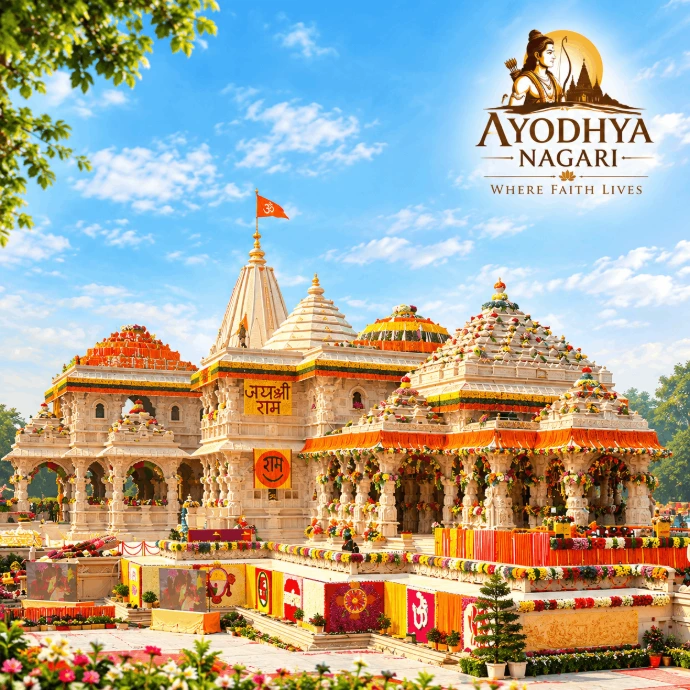
Planning an Ayodhya trip? Understand the seasons, monthly conditions, festival periods and practical sightseeing considerations before choosing your travel dates.
For many travellers, the cooler part of the year is more comfortable for temple visits, walking and exploring outdoor heritage areas. October to March is a useful planning window, while festival dates can bring a very different experience with larger crowds and a stronger celebratory atmosphere. The right time depends on whether you prioritise comfortable sightseeing, a particular festival or a more flexible trip.
Each season changes the balance between weather comfort, outdoor sightseeing and festival atmosphere.
A useful transition into the cooler sightseeing season.
Often comfortable for long outdoor days, though mornings and evenings can feel cold.
Warmer conditions make outdoor sightseeing more demanding.
Rain can affect walking and daily travel plans.
Use this as a planning framework rather than a promise of exact daily weather.
A festival-focused trip and a quiet sightseeing trip are different travel plans.
| Period | What it can mean | Planning approach |
|---|---|---|
| Diwali / Deepotsav | Festive atmosphere, illumination and potentially very high visitor interest. | Check current schedules, security arrangements and accommodation availability early. |
| Ram Navami | A major religious occasion associated with Ayodhya and increased pilgrimage activity. | Expect a different crowd environment and verify current arrangements. |
| Kartik Purnima | Riverfront and devotional activity can become especially significant. | Build extra time into the itinerary and check local arrangements. |
| Regular non-festival days | Often easier to structure around sightseeing priorities. | Useful for travellers who prioritise flexibility. |
Consider the cooler months and combine temples, heritage lanes and riverfront stops without rushing.
Plan around the specific festival you want to experience, while allowing for crowds, security and local movement arrangements.
Avoiding major festival dates can make it easier to keep your schedule flexible. Crowd levels still vary by day.
Keep your most important pilgrimage stop early and leave room for security and visitor procedures.
Place walking-heavy heritage areas and riverfront visits in the part of the day that suits the season.
Do not make every hour dependent on a fixed route. A flexible final stop helps when weather or crowds change.
| Season | Useful items | Tip |
|---|---|---|
| Winter | Warm layers, comfortable footwear, water | Keep an extra layer for early morning and evening visits. |
| Summer | Water, sun protection, light clothing | Prefer earlier starts and plan breaks. |
| Monsoon | Rain protection, quick-dry clothing, grippy footwear | Keep flexible stops available if rain changes the route. |
| Festival periods | Essential documents, minimal luggage, comfortable footwear | Allow extra time for crowds and security. |
Temple schedules, festival dates, security procedures and local events can matter just as much as the season.
Leave space between major stops rather than planning every minute.
Before departure, verify current temple arrangements, local transport, weather and event-related restrictions.
There is no single best month for every traveller. October to March is a practical cooler-season window for many sightseeing trips, while festival travellers may choose specific religious occasions.
Winter can be comfortable for outdoor sightseeing, but early mornings and evenings can be cold. Carry suitable layers.
Yes. Earlier starts, hydration, sun protection and breaks become more important in hotter conditions.
Yes, but rain can affect walking and transport plans. Keep rain protection and a flexible itinerary.
The cooler months can be more comfortable for outdoor riverfront visits. The experience also varies around dawn, evening and special events.
Major religious festivals and special events can bring substantially higher visitor activity. Exact crowd levels vary by event and date.
One day can cover a focused circuit, while two or three days allow a more relaxed mix of temples, riverfront areas and wider heritage stops.
Check weather, festival dates, accommodation, transport, temple arrangements, security procedures and current local advisories.

Founder & Author, Ayodhya Nagari. This guide focuses on practical, clear and verifiable trip-planning information.
Choose the season, festival atmosphere and sightseeing pace that fit your trip, then verify current local information before departure.
Explore Ayodhya Nagari
Planning an Ayodhya trip? Understand the seasons, monthly conditions, festival periods and practical sightseeing considerations before choosing your travel dates.
For many travellers, the cooler part of the year is more comfortable for temple visits, walking and exploring outdoor heritage areas. October to March is a useful planning window, while festival dates can bring a very different experience with larger crowds and a stronger celebratory atmosphere. The right time depends on whether you prioritise comfortable sightseeing, a particular festival or a more flexible trip.
Each season changes the balance between weather comfort, outdoor sightseeing and festival atmosphere.
A useful transition into the cooler sightseeing season.
Often comfortable for long outdoor days, though mornings and evenings can feel cold.
Warmer conditions make outdoor sightseeing more demanding.
Rain can affect walking and daily travel plans.
Use this as a planning framework rather than a promise of exact daily weather.
A festival-focused trip and a quiet sightseeing trip are different travel plans.
| Period | What it can mean | Planning approach |
|---|---|---|
| Diwali / Deepotsav | Festive atmosphere, illumination and potentially very high visitor interest. | Check current schedules, security arrangements and accommodation availability early. |
| Ram Navami | A major religious occasion associated with Ayodhya and increased pilgrimage activity. | Expect a different crowd environment and verify current arrangements. |
| Kartik Purnima | Riverfront and devotional activity can become especially significant. | Build extra time into the itinerary and check local arrangements. |
| Regular non-festival days | Often easier to structure around sightseeing priorities. | Useful for travellers who prioritise flexibility. |
Consider the cooler months and combine temples, heritage lanes and riverfront stops without rushing.
Plan around the specific festival you want to experience, while allowing for crowds, security and local movement arrangements.
Avoiding major festival dates can make it easier to keep your schedule flexible. Crowd levels still vary by day.
Keep your most important pilgrimage stop early and leave room for security and visitor procedures.
Place walking-heavy heritage areas and riverfront visits in the part of the day that suits the season.
Do not make every hour dependent on a fixed route. A flexible final stop helps when weather or crowds change.
| Season | Useful items | Tip |
|---|---|---|
| Winter | Warm layers, comfortable footwear, water | Keep an extra layer for early morning and evening visits. |
| Summer | Water, sun protection, light clothing | Prefer earlier starts and plan breaks. |
| Monsoon | Rain protection, quick-dry clothing, grippy footwear | Keep flexible stops available if rain changes the route. |
| Festival periods | Essential documents, minimal luggage, comfortable footwear | Allow extra time for crowds and security. |
Temple schedules, festival dates, security procedures and local events can matter just as much as the season.
Leave space between major stops rather than planning every minute.
Before departure, verify current temple arrangements, local transport, weather and event-related restrictions.
There is no single best month for every traveller. October to March is a practical cooler-season window for many sightseeing trips, while festival travellers may choose specific religious occasions.
Winter can be comfortable for outdoor sightseeing, but early mornings and evenings can be cold. Carry suitable layers.
Yes. Earlier starts, hydration, sun protection and breaks become more important in hotter conditions.
Yes, but rain can affect walking and transport plans. Keep rain protection and a flexible itinerary.
The cooler months can be more comfortable for outdoor riverfront visits. The experience also varies around dawn, evening and special events.
Major religious festivals and special events can bring substantially higher visitor activity. Exact crowd levels vary by event and date.
One day can cover a focused circuit, while two or three days allow a more relaxed mix of temples, riverfront areas and wider heritage stops.
Check weather, festival dates, accommodation, transport, temple arrangements, security procedures and current local advisories.
Founder & Author, Ayodhya Nagari. This guide focuses on practical, clear and verifiable trip-planning information.
Choose the season, festival atmosphere and sightseeing pace that fit your trip, then verify current local information before departure.
Explore Ayodhya Nagari